
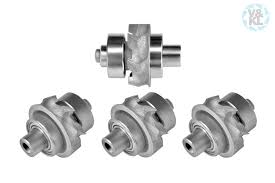
Essential Dental Handpiece Repair Tools for Every Dentist
When it comes to maintaining the performance of dental handpieces, having the right tools is crucial. Proper care and timely repairs can ensure that your instruments function efficiently, providing the best care to your patients. In this article, we will discuss the importance of dental handpiece repair tools, the various types available, and tips for choosing the right tools for your practice.
Why Dental Handpiece Repair Tools Matter
Dental handpieces are an integral part of everyday procedures in any dental practice. They are used for everything from routine cleanings to intricate surgeries. Over time, these tools may wear down, become damaged, or fail to operate at peak efficiency. This is where dental handpiece repair tools come into play. By having the correct tools, dentists can quickly diagnose and rectify issues, minimizing downtime and maintaining the quality of care provided to patients.
Types of Dental Handpiece Repair Tools
There are various types of repair tools necessary for the effective maintenance of dental handpieces. Here are some of the most essential ones:
1. Handpiece Lubrication Equipment
Lubrication is key to the longevity of handpieces. Specialized lubricants ensure that the internal parts of the handpiece operate smoothly without excessive wear. Lubrication equipment, including spray nozzles and applicators, helps in achieving an even application of lubricant to all necessary parts.
2. Bur Removal Tools
Burs can sometimes become lodged in handpieces due to improper use or wear. Bur removal tools are designed to help dentists safely and effectively extract these bits without damaging the handpiece itself.
3. Torque Wrenches
Correctly securing bur heads and other attachments is vital for optimal performance. Torque wrenches allow for the precise tightening of components, ensuring a secure fit that doesn’t compromise the integrity of the handpiece.
4. Cleaning Brushes

To prevent blockages and ensure optimal performance, cleaning brushes tailored for dental handpieces should be on hand. These brushes are designed to reach into narrow passages and remove debris, plaque, and buildup that may accumulate over time.
5. Repair Kits
Many manufacturers offer comprehensive repair kits that include all the essential tools for checking and fixing common issues with dental handpieces. These kits typically contain replacement parts such as O-rings, bearings, and seals that might wear out with use.
Choosing the Right Tools for Your Practice
When selecting dental handpiece repair tools, consider the following factors:
1. Compatibility
Ensure that the tools you purchase are compatible with the specific types of handpieces used in your practice. Different brands and models may have unique requirements.
2. Quality and Durability
Invest in high-quality tools made from durable materials. Low-quality tools may not withstand the rigors of frequent use, leading to additional costs over time.
3. Reviews and Recommendations
Research products thoroughly, reading reviews and seeking recommendations from colleagues in the dental community. This can provide insight into the performance and reliability of the tools you are considering.
4. Manufacturer Support
Choose tools from manufacturers who offer support and resources for their products. This can include replacement parts, servicing options, or troubleshooting assistance.
Conclusion
Having the right dental handpiece repair tools is essential for maintaining the performance and longevity of your instruments. With proper maintenance, handpieces can provide reliable service that enhances the quality of care offered to patients. Invest in quality tools, stay informed, and keep your practice running smoothly. By doing so, you ensure that your dental handpieces remain not just functional, but also effective, leading to better outcomes for your patients.